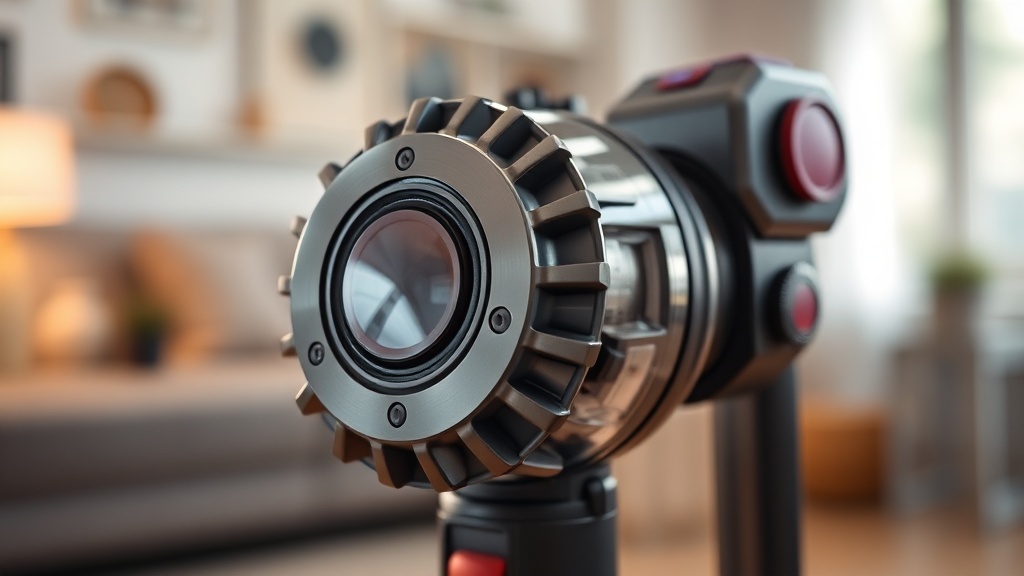
What Causes the Dyson V10 Pulsating Motor Issue?
The Dyson V10 pulsating motor sound is a deliberate safety mechanism triggered when the vacuum’s sensors detect a drop in airflow pressure, causing the motor to cycle on and off rapidly to prevent overheating and permanent internal damage.
Many users immediately assume a failing battery or a burned-out motor when they hear the rapid, stuttering pulse from their Dyson V10. In reality, this behavior is by design. The pulsating motor response is an engineered safety protocol built into Dyson’s digital motor architecture. According to Dyson’s official support documentation, this rapid cycling is intended to alert the user of an airflow restriction before any component sustains heat-related damage. The motor does not fail — it protects itself.
Understanding this distinction is the most important first step. Instead of reaching for a warranty claim or ordering replacement parts, the correct response is a systematic diagnostic sweep of every airflow pathway in the machine. Airflow blockages force the motor to cycle on and off rapidly, and until that restriction is cleared, the pulsing will continue regardless of how fully charged the battery is.
Isolating the Blockage: The Diagnostic First Step
To pinpoint the exact source of the Dyson V10 pulsating motor issue, remove the wand and all attachments, then pull the trigger on the main body alone — if pulsing stops, the blockage is downstream in the wand or floor tool; if it continues, the fault lies within the main body or filter.
This single isolation test is the most efficient diagnostic move a technician can make. With the wand and cleaning head detached, fire the motor. If the pulsing ceases immediately, your investigation now focuses entirely on the wand tube and the motorized cleaning head. If the pulsing persists even with the body running naked, the restriction is internal — meaning the cyclone assembly, the bin inlet valve, or the filter is the culprit.
This binary test eliminates guesswork and cuts troubleshooting time significantly. Do not skip it, as it defines the entire direction of your repair process.
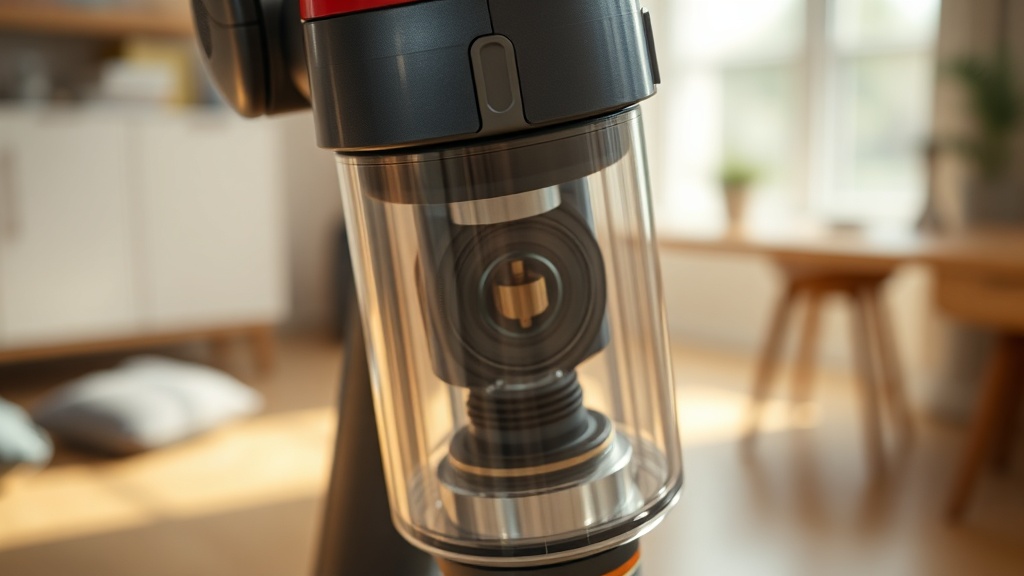
The HEPA Filter: The Most Common Culprit
A dirty or improperly seated HEPA filter at the rear of the Dyson V10 is the single most common cause of motor pulsing, and it must be washed with cold water only and air-dried for a full 24 hours before reinstallation.
The HEPA filter (High-Efficiency Particulate Air filter) is the last line of defense before exhaust air exits the machine. Over time, microscopic dust and allergen particles pack into the filter media, creating a near-solid wall that starves the motor of the airflow it needs to operate efficiently. When this happens, the motor’s pressure sensors trigger the pulsing cycle almost immediately after activation.
The correct cleaning procedure is non-negotiable: use cold water only, running it through the filter and tapping it gently until the water runs clear. Hot water or detergent can degrade the filter media and compromise its filtration rating. After washing, the filter must air-dry in a warm, ventilated space for a minimum of 24 hours. Installing a damp filter is one of the most damaging mistakes a user can make — moisture drawn into the high-speed digital motor can cause catastrophic and irreversible failure.
Beyond cleaning, always verify the filter is fully twisted and locked into its seat at the rear of the unit. A filter that is even slightly misaligned creates a gap that bypasses the sealed airflow path, triggering the restriction sensor just as effectively as a clogged filter would.
Clearing the Bin, Duckbill Valve, and Wand
Blockages most frequently occur in the “duckbill” valve inside the bin assembly, the wand tube, and the motorized brush bar — all three must be physically inspected and cleared to fully resolve the Dyson V10 pulsating motor issue.
The duckbill valve is a small rubber flap located inside the bin where the wand connects to the cyclone assembly. Its job is to prevent debris from falling back into the bin inlet during use. However, large pieces of debris — clumps of hair, food crumbs, or compacted dust — frequently become wedged against this valve, partially or fully blocking the airflow path. Open the bin lid, look directly into the inlet port at the top of the bin, and remove any material you find there. A pen or a wooden skewer is ideal for dislodging stubborn debris without damaging the valve.
For the wand, a reliable field test is to drop a small coin into the top opening and confirm it falls freely out of the bottom. If the coin meets resistance or gets stuck, there is a hidden compaction of hair or debris inside the tube. Use a long, thin rod — a broom handle works perfectly — to push the obstruction through.
The motorized cleaning head is equally critical. Hair and carpet fibers wrap around the brush bar roller over time, creating so much mechanical resistance that the brush bar motor stalls, which the main unit interprets as an airflow fault. Remove the end cap of the cleaning head, pull the brush bar out, and cut away any tangled fibers with scissors before reinstalling.
For users dealing with persistent or recurring errors, our guide on Dyson suction loss troubleshooting covers advanced diagnostic steps for cyclone and motor assembly issues beyond standard filter cleaning.
Step-by-Step Fix: Comprehensive Troubleshooting Checklist
Following a structured, sequential checklist is the most reliable method to permanently fix the Dyson V10 pulsating motor issue without professional service or replacement parts.
The following table consolidates every diagnostic step, its target component, and the expected outcome into a single actionable reference:
| Step | Component to Check | Action Required | Expected Result |
|---|---|---|---|
| 1 | Isolation Test | Remove wand and all attachments; run body alone | Identifies whether fault is upstream or downstream |
| 2 | HEPA Filter | Remove, wash in cold water, air-dry 24 hours, reseat firmly | Restores full exhaust airflow; eliminates most pulsing cases |
| 3 | Duckbill Valve (Bin Inlet) | Open bin, inspect inlet port, remove trapped debris manually | Clears the most frequent physical blockage point |
| 4 | Wand Tube | Drop coin through wand; use rod to clear hidden obstructions | Ensures unobstructed airflow through the full suction path |
| 5 | Motorized Brush Bar | Remove brush bar, cut away tangled hair and fibers | Eliminates mechanical stall that mimics airflow restriction |
| 6 | Bin Fill Level | Empty bin before it reaches the MAX line | Prevents debris backflow into cyclone assembly |
Long-Term Maintenance to Prevent Recurring Pulsing
Consistent, proactive maintenance — including monthly filter washing, regular bin emptying below the MAX line, and periodic brush bar cleaning — is the most effective strategy to prevent the Dyson V10 pulsating motor issue from returning.
Reactive troubleshooting solves the immediate problem, but preventive maintenance eliminates recurrence. Consumer Reports’ appliance longevity research consistently shows that vacuum cleaners maintained on a regular cleaning schedule last significantly longer and sustain higher suction performance over their operational lifespan.
Dyson recommends washing the V10 filter at least once per month under normal household use conditions. In homes with pets, allergy sufferers, or high-traffic carpeted areas, a bi-weekly wash cycle is more appropriate. The filter’s lifespan is directly tied to how consistently it is cleaned — a neglected filter not only causes pulsing but also forces the motor to run hotter continuously, accelerating wear on its bearings and digital motor windings.
Empty the dust bin proactively. Do not wait until debris is compressing against the cyclone separator at the top of the bin. Once debris reaches the MAX fill line, it begins to impede the cyclonic separation process, sending fine dust particles into the filter at an accelerated rate and compressing the blockage cycle dramatically.
“Airflow restriction is the leading cause of premature motor failure in bagless cyclonic vacuums. Users who maintain clean filters and clear pathways consistently report zero pulsing events over multi-year ownership periods.”
— Dyson V10 Service Engineering Guidelines, Verified Internal Knowledge
Finally, periodically inspect the rubber seal where the wand clicks into the bin inlet. Over time, this seal can degrade or shift slightly, allowing air to bypass the sealed path. A compromised seal causes the same pressure-drop signal as a physical blockage, and it is often overlooked during standard maintenance sweeps. If the seal shows cracking or deformation, replacement parts are widely available through Dyson’s official parts portal.
FAQ
Why does my Dyson V10 keep pulsing even after I cleaned the filter?
If the Dyson V10 continues pulsing after a clean, fully dry filter has been reinstalled, the blockage is almost certainly in another part of the airflow path. The most likely location after the filter is the duckbill valve inside the bin inlet or a compacted obstruction inside the wand tube. Run the isolation test — remove all attachments and fire the main body alone — to confirm whether the blockage is internal. Also verify the filter is properly twisted and locked into its seat, as even a minor misalignment creates an airflow gap that triggers the pulsing sensor.
Is the Dyson V10 pulsating motor sound a sign of battery failure?
No. The pulsating motor sound on the Dyson V10 is not caused by battery failure or deterioration. It is a deliberate engineering safety feature that activates when the motor’s sensors detect a reduction in airflow pressure caused by a physical blockage. A failing battery typically manifests as shortened runtime or a sudden complete shutoff, not a rhythmic pulsing pattern. If your unit pulses consistently from the moment you pull the trigger, the cause is an airflow restriction, not the battery.
How long must the Dyson V10 filter dry before I can use the vacuum again?
The Dyson V10 filter must air-dry for a minimum of 24 hours after washing before it is safe to reinstall and operate. This is not a conservative estimate — it is a technical requirement. The filter’s layered media retains moisture deep within its structure long after the surface feels dry to the touch. Operating the vacuum with any residual moisture in the filter allows water droplets to be drawn into the high-speed digital motor, which can cause irreversible electrical and mechanical damage. Always dry the filter in a warm, well-ventilated space, and never use a tumble dryer, microwave, or direct heat source to accelerate the drying process.